
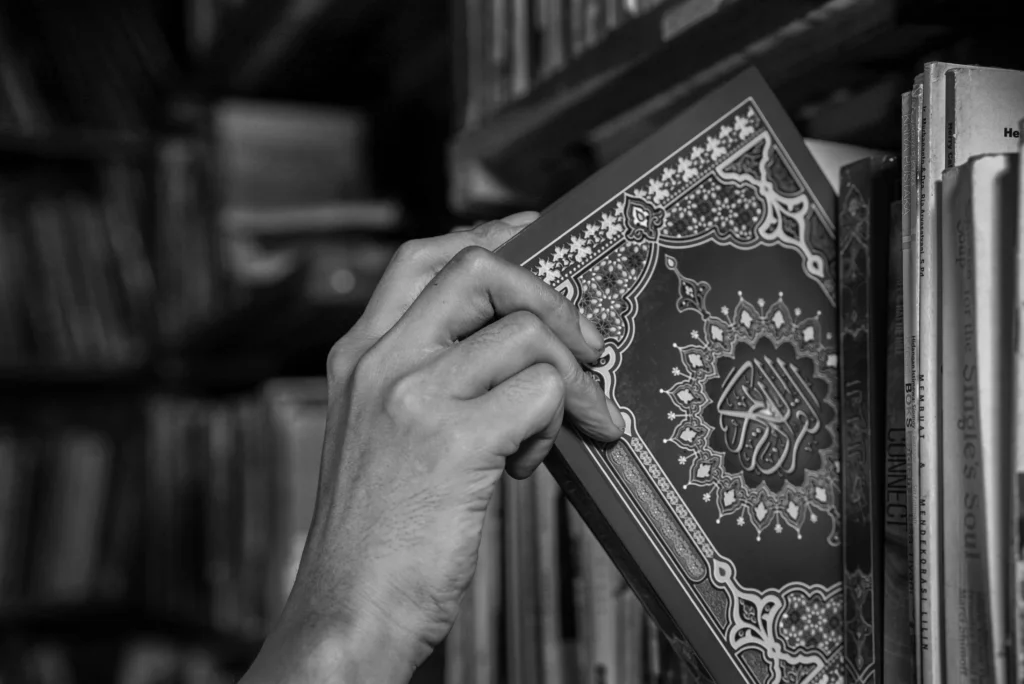

If you are new to Islam, you may have many questions.
What is Islam?
Who is Allah?
What do Muslims believe?
Who is Muhammad?
What is the Quran?
Why do Muslims pray five times a day?
You do not need to know everything at once.
This guide gives you a simple introduction to Islam and explains the basic beliefs and practices of Muslims.
What Is Islam?
Islam is a monotheistic religion based on the worship of one God, Allah.
The word Islam is commonly understood in relation to submission and surrender to God. A Muslim is a person who submits to Allah and seeks to live according to His guidance.
At the heart of Islam is a simple message:
There is only one God worthy of worship, and human beings are called to know Him, worship Him, and live with faith, justice, mercy, and good character.
Islam teaches that God created human beings with a purpose and that our lives are not without meaning.
Who Is Allah?
Allah is the Arabic word for God.
Arabic-speaking Christians and Jews also use the word “Allah” when referring to God. In Islam, Allah is the one Creator of the heavens and the earth and everything within them.
Muslims believe that Allah is:
- One and unique
- The Creator of everything
- Merciful and compassionate
- All-knowing
- All-powerful
- Just
- Not dependent on His creation
Muslims do not believe that Allah is a human being or that He has partners or equals.
The Quran repeatedly emphasizes the oneness of God.
“Say, He is Allah, [who is] One.”
— Quran 112:1
For Muslims, worship belongs to Allah alone.
Who Is Muhammad?
Muhammad ﷺ is the final prophet and messenger of Allah according to Islamic belief.
Muslims do not worship Muhammad. Instead, they believe that he was a human being chosen by God to deliver His message.
His life provides Muslims with an example of how to practice Islam.
Muslims also believe that Muhammad was part of a long line of prophets that includes many figures familiar from the Bible and other Abrahamic traditions.
These include:
- Adam
- Noah
- Abraham
- Moses
- David
- Solomon
- Jesus
- Muhammad
Peace be upon them all.
Islam teaches that the prophets called people to worship the one God.
What Is the Quran?
The Quran is the central sacred scripture of Islam.
Muslims believe that the Quran is the word of Allah, revealed to Prophet Muhammad ﷺ through the Angel Gabriel over a period of approximately 23 years.
The Quran contains guidance about faith, worship, morality, relationships, personal responsibility, and the purpose of human life.
It also tells stories about earlier prophets and peoples.
The Quran is divided into 114 chapters, called surahs, which vary in length.
For Muslims, the Quran is not simply a book to be read. It is also a source of guidance to be understood and put into practice.
If you are completely new to Islam, you do not need to start by trying to read the entire Quran.
Start slowly.
Read a small passage, learn what it means, and give yourself time to understand it.
What Do Muslims Believe?
Islam has several fundamental beliefs.
These are commonly summarized as the Six Articles of Faith:
- Belief in Allah
- Belief in His angels
- Belief in His revealed books
- Belief in His messengers and prophets
- Belief in the Day of Judgment
- Belief in divine decree
These beliefs form the foundation of a Muslim’s understanding of God, life, and what comes after death.
Faith in Islam is not only about knowing information. It is also about trusting Allah and allowing that faith to influence the way you live.
The Five Pillars of Islam
The Five Pillars are the fundamental acts of worship in Islam.
1. Shahada — Declaration of Faith
The Shahada is the testimony of faith.
It affirms that there is no deity worthy of worship except Allah and that Muhammad is the Messenger of Allah.
A person who sincerely accepts this belief and enters Islam becomes a Muslim.
2. Salah — Prayer
Muslims perform five obligatory prayers each day.
Prayer gives Muslims regular opportunities to remember Allah, worship Him, ask for guidance, and step away from the distractions of everyday life.
If you are a new Muslim and do not yet know how to pray, do not feel overwhelmed.
Learning Salah takes practice.
3. Zakat — Obligatory Charity
Zakat is a form of obligatory charity for Muslims who meet the relevant requirements.
It helps support people in need and is one of the ways Islam connects worship with social responsibility.
4. Sawm — Fasting
During the month of Ramadan, Muslims fast from dawn until sunset.
Fasting includes abstaining from food and drink during the fasting hours, but Ramadan is about more than simply not eating.
It is also a time for prayer, self-discipline, generosity, reflection, and drawing closer to Allah.
5. Hajj — Pilgrimage
Hajj is the pilgrimage to Makkah.
It is obligatory once in a person’s lifetime for Muslims who are physically and financially able to perform it.
Hajj brings Muslims from different countries and backgrounds together in worship of the one God.
What Does Islam Ask of Muslims?
Islam is not only a list of religious rituals.
It also teaches Muslims how to treat other people and how to conduct themselves in everyday life.
Muslims are encouraged to:
- Be honest
- Keep their promises
- Treat parents with kindness
- Help people in need
- Avoid injustice
- Forgive others
- Control anger
- Speak truthfully
- Care for neighbors
- Show mercy
- Take responsibility for their actions
Good character is an important part of Islamic life.
This means that becoming Muslim is not simply about learning religious information. It is also about gradually allowing faith to shape the way you think, behave, and interact with others.
What About Jesus in Islam?
One important thing to understand is that Islam has a special place for Jesus, known as Isa in Arabic.
Muslims believe that Jesus was a great prophet and messenger of God.
They believe that he was born miraculously to Maryam (Mary), that he performed miracles by God’s permission, and that he was the Messiah.
However, Islam does not teach that Jesus is God or the son of God.
Muslims worship the God who sent Jesus, rather than Jesus himself.
This is one of the important differences between Islamic and mainstream Christian theology.
Islam and Other Abrahamic Religions
Islam recognizes a long history of divine revelation.
Muslims believe that God sent prophets to different peoples throughout history.
For this reason, Islam has important connections with Judaism and Christianity.
Muslims believe in many of the same prophets found in Jewish and Christian traditions, while also believing that Muhammad ﷺ was the final messenger.
At the same time, Islam has its own distinct beliefs about God, revelation, Jesus, salvation, and religious practice.
Understanding these similarities and differences can help someone who comes from a Christian or Jewish background understand Islam more clearly.
What Is a Muslim?
A Muslim is a person who believes in and submits to Allah and accepts the message brought by His prophets, including Muhammad ﷺ as the final messenger.
Being Muslim does not depend on:
- Your nationality
- Your ethnicity
- Your language
- Your skin color
- Your family background
Muslims come from every part of the world.
Someone can become Muslim at any stage of life.
Do You Have to Know Everything Before Becoming Muslim?
No.
You do not need to become an expert in Islam before beginning your journey.
A new Muslim may not know how to pray yet.
They may not know Arabic.
They may not understand every verse of the Quran.
They may have many questions.
Learning is a journey.
What matters is sincerity, and then gradually learning and practicing.
You can learn one thing at a time.
If You Are Thinking About Islam
If you are exploring Islam, take your time learning.
Start with the foundations:
Who is Allah?
What does Islam teach about God?
Who was Muhammad ﷺ?
What is the Quran?
What do Muslims believe?
What are the Five Pillars?
Once these foundations become clear, many other parts of Islam become easier to understand.
You do not have to understand everything in one day.
Watch: Islam Explained for Beginners
If you prefer learning through video, this beginner-friendly introduction covers many of the basic ideas discussed in this article, including Allah, the Quran, prophets, Muslim beliefs, and the Five Pillars of Islam.
The video itself notes that its creator is not an Islamic scholar and recommends consulting a qualified scholar or local imam for specific religious rulings.
Where Should You Go From Here?
If you are just beginning to learn about Islam, you don’t need to rush.
A good next step is to understand the Five Pillars of Islam in more detail and then learn how Muslims practice prayer.
If you have recently become Muslim, you may also want a practical guide to your first steps.
Continue learning with Reguia
New to Islam?
Read: The Five Pillars of Islam Explained Simply
Recently became Muslim?
Read: I Just Became Muslim: What Should I Do First?
Want to learn how Muslims pray?
Read: How to Pray in Islam: A Beginner’s Guide
Islam is a journey of learning, worship, and growing closer to Allah — one step at a time.